
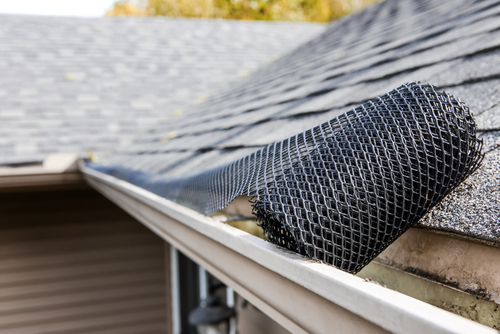
How Leaf Guards Can Save You Time and Money This Fall
August 20, 2026 2:32 pmFall in Ames brings cooler weather, changing leaves, and plenty of debris that can end up on roofs and inside gutters. For homeowners with mature trees nearby, keeping gutters clear can become a recurring chore just when outdoor maintenance tasks are piling up.
Leaf guards can reduce the amount of leaves and larger debris entering your gutters, which can mean fewer cleanings and a lower risk of clogs. For Ames homeowners, that can be especially useful before late-fall temperatures give way to an Iowa winter.
Quick answer: Leaf guards save time and money by limiting the leaves, twigs, and other debris that enter a gutter system. With less material accumulating inside the gutters, homeowners may spend less time on routine cleaning and reduce the chance that a preventable clog contributes to overflowing water, drainage problems, or winter gutter issues.
What local homeowners should know
-
Leaf guards can reduce gutter cleaning needs, but they do not make gutters completely maintenance-free.
-
Mature trees around Ames neighborhoods can create significant roof and gutter debris during the fall.
-
Preparing gutters before Story County experiences freezing winter conditions can help water move away from the home as intended.
-
A properly functioning gutter system helps direct rainwater and snowmelt away from vulnerable areas around a house.
-
The effectiveness of a leaf guard depends partly on the gutter system, roof, surrounding trees, and type of debris involved.
Why Do Leaf Guards Matter for Ames Homes?
Leaf guards matter for Ames homes because Iowa’s fall leaf drop is quickly followed by colder conditions that can make neglected gutter problems more difficult to address. Reducing debris accumulation before winter helps gutters remain better prepared to handle fall rain and eventual snowmelt.
Properties near tree-lined residential areas or established neighborhoods may deal with leaves, seeds, small twigs, and other organic material throughout the season. Homes around central Ames, near Iowa State University, and in established areas closer to Downtown Ames can have very different tree coverage, but any roof beneath or near mature trees can collect seasonal debris.
Seamless Gutterworks Co. helps property owners address gutter needs in the Ames area. We understand that a gutter system is not simply something attached to the edge of a roof. Its job is to collect water and direct it away from the structure, and keeping that pathway clear is an important part of maintaining it.
What Do Local Conditions Tell Us About Fall Gutter Maintenance?
Local conditions show that Ames homeowners should think about gutter maintenance before colder weather arrives, especially when nearby deciduous trees are shedding leaves. This recommendation is based on seasonal conditions and practical gutter maintenance considerations rather than a claim that every local property experiences the same amount of debris.
The amount of maintenance a home needs varies. A house surrounded by mature trees may accumulate debris much faster than a newer property with limited tree coverage. Wind can also carry leaves onto roofs from trees that are not directly over the house.
Once organic debris settles inside a gutter, it can interfere with drainage. That makes late summer and fall a useful time to assess whether repeated cleaning is becoming an ongoing maintenance problem.
How Can Clogged Gutters Affect Your Property?
Clogged gutters can affect a local property by preventing rainwater and melting snow from following the intended drainage path. Instead, water may spill over gutter edges, collect near the house, or remain trapped with debris.
That can turn a relatively simple maintenance issue into a more complicated one. Overflow may repeatedly wet siding or landscaping, while standing debris can hold moisture inside the gutter. Once freezing temperatures arrive in central Iowa, accumulated water and debris can also be exposed to freeze-thaw conditions.
Leaf guards cannot correct every drainage problem, but reducing debris is one way to help the gutter system do its job more consistently.
What Are the Warning Signs That Your Gutters Need Attention?
Warning signs that your gutters need attention include visible debris, overflowing water, and drainage that does not move properly through the system. Ames homeowners can often spot early problems from the ground during or shortly after rainfall.
Watch for:
-
Water spilling over the gutter edge during rain
-
Leaves or plants visibly protruding from gutters
-
Downspouts that appear to drain slowly or not at all
-
Water collecting near the foundation after rainfall
-
Sections of gutter that appear to sag or pull away
-
Staining or repeated wet areas beneath gutter sections
-
Frequent cleaning needs despite regular maintenance
Avoid climbing onto a roof or using an unstable ladder simply to investigate a suspected clog.
When Should You Call a Gutter Professional?
You should call a gutter professional when cleaning requires unsafe access, clogs keep returning, gutters appear damaged, or you are considering leaf guards and need to know which solution fits your home. A professional evaluation can also help determine whether the problem involves debris alone or the gutter system itself.
Homeowners can safely inspect visible gutter conditions from the ground and watch how water drains during rainfall. Work involving high ladders, roof edges, damaged gutter sections, or installation is better left to someone with the appropriate equipment and experience.
For properties in Ames and surrounding Story County communities, addressing these concerns before winter can also avoid trying to solve an exterior maintenance problem during colder conditions.
What Commonly Causes Fall Gutter Problems in Ames?
The most common fall gutter problems in Ames come from seasonal debris, surrounding trees, windblown material, and maintenance that has been delayed. The specific mix varies from property to property, which is why the best leaf-control solution should match the conditions around the home.
1. Falling leaves: Deciduous trees can release large amounts of material within a relatively short period.
2. Small twigs and organic debris: Leaves are not the only material gutters collect. Small sticks, seeds, and other debris can contribute to blockages.
3. Wind: Central Iowa winds can move leaves across roofs and into gutters even when branches do not hang directly above the house.
4. Existing buildup: Debris left from previous seasons can reduce available space and make new clogs form faster.
5. Drainage problems: Sometimes a gutter that appears clogged has another issue affecting water movement. Leaf guards will not repair an improperly functioning gutter system.
How Can You Reduce Fall Gutter Maintenance?
You can reduce fall gutter maintenance by inspecting the system before peak leaf drop, clearing existing debris, checking drainage, and considering leaf guards where repeated debris buildup is a problem. The goal is not to eliminate maintenance entirely but to make the system easier to manage.
A practical schedule is to check gutters before leaves begin accumulating heavily and again after most nearby trees have dropped their leaves. From the ground, look for visible buildup, overflow, sagging, or drainage issues.
If leaf guards are already installed, they should still be inspected periodically. Material can sometimes collect on top of a guard or enter through openings depending on the design and surrounding vegetation.
What Results Can You Expect From Leaf Guards?
Homeowners can realistically expect leaf guards to reduce the amount of larger debris entering compatible gutters, which may reduce cleaning frequency and the likelihood of some debris-related clogs. Results depend on the guard design, installation, roof conditions, gutter condition, and vegetation around the property.
Leaf guards are not a cure for damaged gutters, poor drainage, or every type of small debris. They also do not eliminate the need to inspect a gutter system.
For many homeowners, the biggest practical benefit is simpler maintenance. If you currently clean gutters repeatedly throughout an Ames fall, reducing the volume of material entering them can make seasonal upkeep less demanding.
What Leaf Guard Mistakes Should Homeowners Avoid?
The biggest leaf guard mistakes are assuming all products perform the same way, installing guards over existing problems, and treating the system as maintenance-free. A better approach starts with the condition of the gutters and the specific debris around the property.
Mistake: Installing guards over clogged gutters.
Consequence: Existing debris and drainage problems remain.
Better approach: Start with a clear, properly functioning gutter system.
Mistake: Ignoring the surrounding trees.
Consequence: A guard may not be well suited to the type or volume of debris reaching the roof.
Better approach: Consider actual conditions around the home.
Mistake: Never inspecting guarded gutters.
Consequence: Developing problems may go unnoticed.
Better approach: Continue periodic visual checks and maintenance.
Mistake: Using leaf guards to compensate for damaged gutters.
Consequence: The underlying drainage issue remains unresolved.
Better approach: Address gutter condition before adding protection.
What Is a Common Fall Gutter Scenario in Ames?
A common local scenario is a homeowner who cleans the gutters early in fall only to find them filled again after another round of leaf drop. This is an illustrative scenario, not a Seamless Gutterworks Co. case study.
Imagine a house in an established Ames neighborhood with several mature deciduous trees nearby. The homeowner clears the gutters in September, but additional leaves accumulate through October. A clog develops near a downspout, and the next rain sends water over the gutter edge.
For a property with recurring debris like this, a properly selected leaf guard may reduce how much material reaches the gutter and make ongoing maintenance easier.
Which Gutter Services Can Help Prevent Seasonal Problems?
Gutter inspection, cleaning, repair, replacement, and leaf guard installation can address different parts of a seasonal drainage problem. The right service depends on whether the gutters are simply collecting debris or have an underlying condition that needs attention first.
Before adding guards, the existing gutter system should be evaluated for issues that could interfere with drainage. If the system is in suitable condition, leaf guards can then be considered as a preventive maintenance option.
Should You Choose DIY Cleaning or Leaf Guards?
DIY cleaning can make sense for safely accessible gutters with occasional debris, while leaf guards may be more practical when homeowners face recurring seasonal buildup. Professional service becomes especially useful when access is difficult, gutters need repairs, or choosing and installing a guard system requires more than routine maintenance.
Cleaning has a lower immediate commitment but may need to be repeated. Leaf guards require installation and continued inspection, but they can reduce how much debris enters the gutter.
The better choice depends on your property, surrounding vegetation, roofline, gutter condition, and how often you currently need to clean.
What Areas Can Benefit From Fall Gutter Preparation?
Fall gutter preparation can benefit properties throughout Ames and nearby Story County communities where leaves and seasonal debris collect on roofs. Homeowners in nearby areas such as Gilbert, Nevada, Huxley, and Story City may face similar central Iowa seasonal conditions.
The amount of debris can vary significantly even between neighboring properties, so decisions about leaf guards should be based on the individual home rather than location alone.
What Can Happen If You Ignore Clogged Gutters?
Ignoring clogged gutters can allow overflow and poor drainage to continue, potentially exposing parts of the property to repeated unwanted water. In Ames, postponing maintenance until winter can also mean dealing with existing debris after freezing conditions have arrived.
The cost of waiting depends on the actual problem. A minor buildup may only require cleaning, while damaged or poorly functioning gutters can require additional work. Catching drainage problems earlier gives homeowners more opportunity to address them before colder weather complicates exterior maintenance.
FAQ About Leaf Guards in Ames, IA
Are leaf guards worth it in Ames?
Leaf guards can be worthwhile in Ames when a home experiences recurring leaf and debris buildup. Their value depends on surrounding trees, gutter condition, roof design, and the type of guard installed. They can reduce cleaning needs, but homeowners should still inspect and maintain the gutter system periodically.
Do leaf guards eliminate gutter cleaning?
No, leaf guards do not eliminate gutter maintenance completely. They are designed to reduce the amount of debris entering gutters, but material may still collect on top of the guard or reach the gutter. Ames homeowners should continue periodic inspections, particularly after heavy leaf drop and significant weather.
When should I install leaf guards in Ames?
Leaf guards can be installed when weather and property conditions allow, but preparing before heavy fall leaf accumulation can be convenient. If your gutters already contain debris or have drainage problems, those issues should be addressed first so the guard is installed over a functioning system.
Can leaf guards help during an Iowa winter?
Leaf guards can help keep some debris out before winter, but they do not prevent every cold-weather gutter problem. Snow, ice, drainage conditions, roof characteristics, and weather all influence winter performance. Keeping gutters clear before freezing conditions arrive is one useful part of seasonal preparation.
Do homes without overhanging trees need leaf guards?
Not necessarily. Homes without nearby trees may have much lower debris loads, although wind can still carry leaves and other material onto roofs. In Story County, the need for leaf guards should be evaluated based on the actual maintenance demands of the property rather than tree coverage alone.
Can I install leaf guards over my existing gutters?
Sometimes, but the existing gutters should first be in suitable condition and able to drain properly. Installing a guard over clogged, damaged, or poorly functioning gutters will not correct those underlying issues. An inspection can help determine whether maintenance or repairs should come before leaf guard installation.
How often should guarded gutters be inspected in Ames?
Guarded gutters should be inspected periodically and after conditions that may cause significant debris accumulation. There is no single schedule that fits every Ames property because surrounding trees, rooflines, and guard designs differ. Visible overflow or drainage changes are reasons to have the system checked sooner.
Can leaf guards save money for Story County homeowners?
Leaf guards may save money by reducing recurring cleaning needs and helping prevent some debris-related drainage problems, but exact savings vary by property. Homeowners should compare installation costs with their current maintenance demands and consider the condition of the entire gutter system before deciding.
Make Fall Gutter Maintenance Easier in Ames
Leaf guards can make seasonal gutter care more manageable by reducing the amount of leaves and debris entering the system. We can help you evaluate your gutters and determine whether added protection makes sense for your home and its surroundings.
Categorised in: Gutter Guards
This post was written by Steve Brekunitch
Comments are closed here.