
How Much Does Blown-In Insulation Cost?
April 23, 2026 8:20 pmIf you are researching home energy upgrades, one of the first questions you are likely to ask is how much does blown-in insulation cost. The answer depends on several factors, including the size of the space, the type of insulation used, labor rates in your area, and whether you are adding insulation to an attic, walls, or another part of the home. In general, blown-in insulation is considered one of the most practical and cost-effective ways to improve indoor comfort, increase energy efficiency, and help lower heating and cooling costs over time.
Blown-in insulation is a popular choice because it can fill small gaps and hard-to-reach spaces more effectively than some traditional insulation materials. It is commonly installed in attics, wall cavities, and floors, making it a flexible solution for homeowners who want to improve insulation without major demolition. Whether you are planning a full insulation upgrade or simply adding more material to an under-insulated attic, understanding the cost factors can help you make a more informed decision.
What Is Blown-In Insulation?
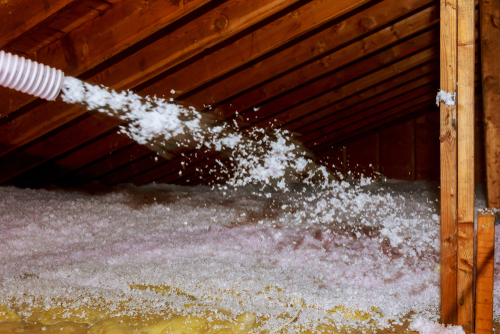
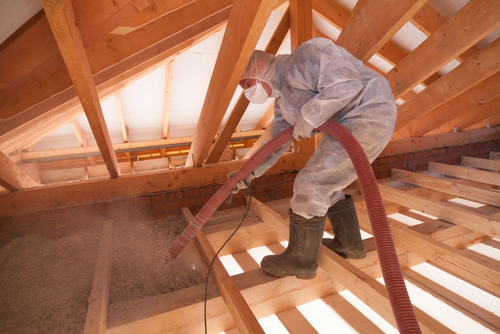
Blown-in insulation is a type of loose-fill insulation that is installed using specialized equipment. The material is blown into a designated area through a hose, allowing it to spread evenly across open spaces or into enclosed cavities.
The most common types of blown-in insulation include:
- Cellulose insulation
- Fiberglass insulation
- Mineral wool insulation
Each option has its own advantages, price point, and performance characteristics. Cellulose is often made from recycled paper products and is known for its eco-friendly appeal. Fiberglass is lightweight, non-combustible, and widely used in residential applications. Mineral wool offers strong fire resistance and sound control, though it may cost more than the other options.
Average Cost of Blown-In Insulation
For most homeowners, blown-in insulation costs can range from $1,000 to $3,000 or more, depending on the scope of the project. On a per-square-foot basis, the cost often falls between $1.00 and $2.50 per square foot, though this can vary based on the material and installation complexity.
Here is a general breakdown:
- Attic blown-in insulation: $1,000 to $2,500
- Wall blown-in insulation: $1,500 to $3,500
- Small top-off projects: $600 to $1,200
- Larger whole-home insulation projects: $2,500 to $6,500+
These numbers are broad estimates, but they give homeowners a realistic starting point when budgeting for insulation work.
Factors That Affect Blown-In Insulation Cost
No two homes are exactly alike, which is why insulation pricing can vary significantly. Several key factors influence the final cost.
Size of the Area
One of the biggest pricing factors is the size of the space being insulated. A larger attic or more wall cavities will require more material and more labor, which naturally increases the total cost.
For example:
- A small attic in a compact home may cost far less than a sprawling attic in a multi-story house
- Adding insulation to a single room is less expensive than insulating an entire home
- Homes with unusual layouts may require more time and labor
Type of Insulation Material
The material you choose will directly affect your project cost.
- Cellulose is often one of the more affordable options
- Fiberglass is also competitively priced and widely available
- Mineral wool tends to be more expensive due to its density and performance benefits
Material costs can also change depending on availability and the amount needed to reach the desired insulation level.
Desired R-Value
R-value measures how well insulation resists heat flow. The higher the R-value, the better the insulating performance. In colder regions, homeowners often need higher R-values to keep homes comfortable and energy efficient.
If your attic currently has little or no insulation, you may need a thicker layer of blown-in insulation, which increases material and labor costs.
Accessibility
Accessibility plays a major role in installation pricing. Open attics are generally easier and less expensive to insulate than enclosed walls or hard-to-reach crawl spaces.
More difficult installations may involve:
- Tight access points
- Obstacles such as HVAC equipment or ductwork
- The need to drill and patch wall openings
- Limited working space for technicians
Labor Costs
Labor rates vary by region and contractor. Areas with higher demand or higher operating costs may see elevated pricing. Working with an experienced insulation contractor can help ensure the job is done correctly, but labor expertise is still part of the total project cost.
Removal of Old Insulation
If your current insulation is damaged, moldy, pest-infested, or otherwise compromised, it may need to be removed before new insulation is installed. Removal adds to the overall project price, especially if the cleanup requires special handling.
Cost by Type of Blown-In Insulation
Understanding the differences between insulation types can help you weigh cost versus performance.
Cellulose Blown-In Insulation
Cellulose is a popular choice for attics and wall cavities. It is made primarily from recycled paper treated for fire resistance and pest deterrence.
Pros:
- Eco-friendly material
- Good thermal performance
- Effective at filling gaps
- Often affordable
Potential drawbacks:
- Can settle over time
- May absorb moisture if not properly protected
Fiberglass Blown-In Insulation
Fiberglass blown-in insulation is made of tiny glass fibers and is another common option for residential applications.
Pros:
- Lightweight
- Fire resistant
- Moisture resistant
- Often easy to install
Potential drawbacks:
- Can be irritating during installation
- May not block airflow as effectively as denser materials in some cases
Mineral Wool Blown-In Insulation
Mineral wool is made from rock or slag fibers and is valued for durability and fire resistance.
Pros:
- Excellent fire resistance
- Good soundproofing qualities
- Durable and dense
Potential drawbacks:
- Higher cost
- Less commonly used than cellulose or fiberglass
Is Blown-In Insulation Worth the Cost?
For many homeowners, the answer is yes. Blown-in insulation can improve energy efficiency, reduce utility expenses, and make indoor temperatures more consistent throughout the year. It can also help reduce strain on heating and cooling systems.
Some of the key benefits include:
- Better year-round comfort
- Lower energy consumption
- Fewer drafts and temperature fluctuations
- Improved sound control in some areas
- Potential increase in home value
- Relatively quick installation compared to more invasive upgrades
While the upfront cost may seem significant, many homeowners see long-term value through monthly energy savings and improved home performance.
Attic Insulation vs. Wall Insulation Cost
Attic insulation is often less expensive than wall insulation because attics are usually more accessible. Contractors can blow material directly across the attic floor with fewer obstacles.
Wall insulation tends to cost more because the installer may need to:
- Drill holes into wall cavities
- Carefully fill enclosed spaces
- Patch and repair openings afterward
- Work around wiring, plumbing, and framing
If budget is a concern, many homeowners start with the attic first because it is often one of the most important areas for improving overall energy efficiency.
Signs Your Home May Need Blown-In Insulation
Not every homeowner knows when it is time to upgrade insulation. If you notice any of the following issues, it may be worth scheduling an inspection:
- Rooms that feel too hot in summer or too cold in winter
- High heating or cooling bills
- Drafts or uneven indoor temperatures
- An aging home with outdated insulation
- Ice dams or heat loss from the roof in winter
- Excessive noise from outside
- Existing insulation that looks thin, patchy, or damaged
A professional evaluation can help determine whether blown-in insulation is the right solution for your home and which areas need the most attention.
Can You Save Money with Blown-In Insulation?
Blown-in insulation may help reduce energy waste, which can translate into noticeable savings over time. Homes that are poorly insulated often lose heated or cooled air quickly, forcing HVAC systems to work harder.
By improving insulation, homeowners may benefit from:
- Lower monthly utility bills
- Better HVAC efficiency
- Reduced wear and tear on heating and cooling equipment
- Fewer indoor comfort issues
The amount you save will depend on your home’s current condition, climate, energy use habits, and the extent of the insulation upgrade.
DIY vs. Professional Installation
Some homeowners consider installing blown-in insulation themselves by renting equipment from a home improvement store. While this may reduce labor costs, there are important reasons why professional installation is often the better choice.
DIY Advantages
- Lower upfront cost
- Flexible scheduling
- Suitable for small attic top-off projects in some cases
DIY Challenges
- Equipment handling can be difficult
- Uneven distribution may reduce performance
- Safety gear is necessary
- Mistakes can lead to air leaks, poor coverage, or wasted material
Professional Installation Advantages
- Proper coverage and depth
- Better understanding of required R-values
- Faster and cleaner installation
- Ability to identify ventilation or moisture concerns
- Reduced risk of costly errors
For larger projects or enclosed wall installations, hiring a professional is usually the most efficient and reliable option.
Tips for Getting an Accurate Estimate
If you are comparing quotes for blown-in insulation, it helps to ask the right questions. A detailed estimate should explain what is included and how the contractor arrived at the price.
Ask about:
- The type of insulation being used
- The target R-value
- Whether old insulation removal is included
- Any air sealing recommendations
- Cleanup and disposal costs
- Warranty details
- Project timeline
It is also a good idea to get multiple estimates so you can compare pricing, services, and contractor experience.
FAQ About Blown-In Insulation Cost
How much does blown-in insulation cost per square foot?
Blown-in insulation typically costs about $1.00 to $2.50 per square foot, depending on the material, location, and installation difficulty.
Is blown-in insulation cheaper than batt insulation?
It can be, especially for attics and irregular spaces. Blown-in insulation is often more efficient for covering hard-to-reach areas, which can make it a better overall value.
How long does blown-in insulation last?
Blown-in insulation can last for decades when installed correctly and kept dry. However, settling, moisture, or pest damage may reduce its effectiveness over time.
What is the cheapest type of blown-in insulation?
Cellulose and fiberglass are generally the most affordable options. Pricing can vary based on your region and the scope of the project.
Can blown-in insulation lower my energy bills?
Yes. By reducing heat loss and improving thermal performance, blown-in insulation can help lower heating and cooling costs over time.
Is attic insulation worth the investment?
In many cases, yes. The attic is one of the most important areas to insulate because heat often escapes through the roof, especially in under-insulated homes.
How do I know if I need more insulation?
Common signs include high energy bills, uneven temperatures, drafts, and old or thinning insulation in the attic or walls.
Improve Your Home Exterior with Trusted Gutter Contractors in Des Moines, IA
While insulation plays an important role in protecting your home’s comfort and energy efficiency, your gutter system is just as essential when it comes to defending your property from water damage. Finding reliable gutter contractors in Des Moines, IA, can be challenging. Luckily, Seamless Gutterworks Co. has been serving communities in and around Iowa Falls, Hardin County, Ackley, Ames, Des Moines, and Alden, IA for more than two decades. We are proud to offer some of the most comprehensive gutter services in the region, including installations, cleaning, and repairs.
If you are ready to protect your home with high-quality gutter solutions, turn to the experienced team at Seamless Gutterworks Co. We also encourage homeowners to take advantage of our free consultations on seamless gutters. Contact us to learn more and schedule your consultation today.
Categorised in: Insulation
This post was written by Steve Brekunitch
Comments are closed here.