
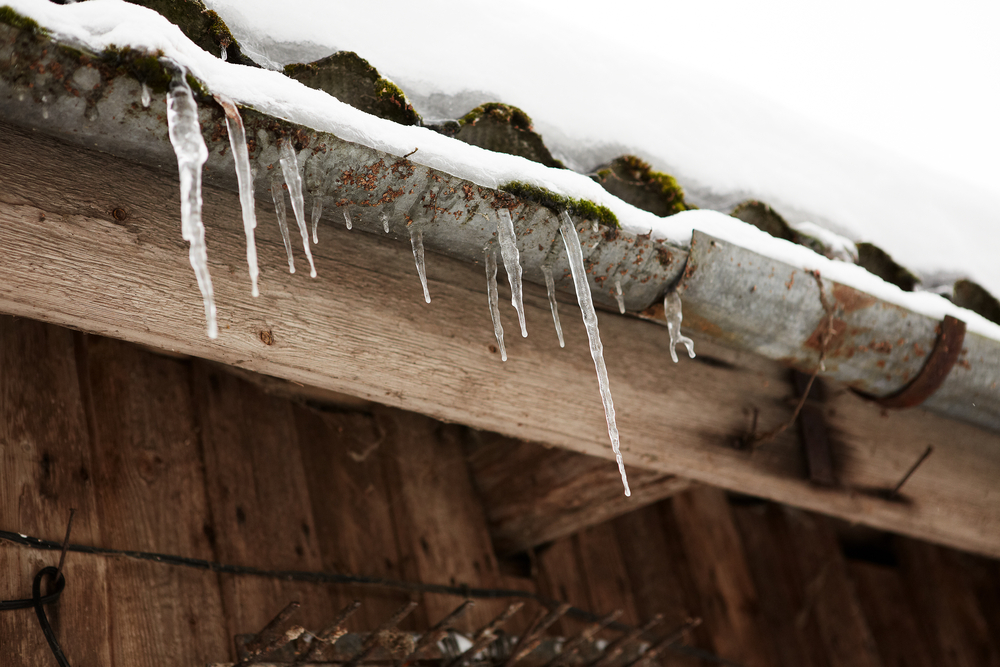
What to Do When Your Gutters Freeze Solid
November 26, 2025 7:52 pmIf you live in the Midwest, you know how brutal winters can be. When temperatures plummet, one common yet frustrating problem homeowners face is frozen gutters. Ice can accumulate quickly, causing gutters to freeze solid and making them unable to channel melting snow and water away from your home. This issue may seem minor at first, but it can lead to serious consequences like roof damage, foundation problems, and even interior leaks. Understanding what causes gutters to freeze, what to do when they do, and how to prevent it in the future can save you significant time, money, and frustration.
Why Do Gutters Freeze in the First Place?
Frozen gutters form when water or melted snow sits inside your gutters and then refreezes as the temperature drops. In ideal conditions, gutters should drain freely into downspouts and away from your home. However, several common factors prevent that from happening:
- Clogged Gutters: When leaves, twigs, and debris block the water flow, melted snow has nowhere to go. As night temperatures fall, that trapped water turns into ice.
- Poor Gutter Slope: If gutters aren’t pitched correctly, water pools instead of draining. Even a small misalignment can create standing water that freezes repeatedly.
- Inadequate Insulation: Heat escaping from your attic can melt snow on the roof. That meltwater trickles into cold gutters and freezes, creating a cycle of thawing and refreezing.
- Blocked Downspouts: Even if your gutters are clear, ice or debris inside the downspouts can stop drainage, forcing water to remain in the gutters and refreeze.
- Snow and Ice Dams: When snow melts unevenly on your roof, ice dams form along the eaves, trapping additional meltwater that eventually freezes in your gutters.
The Dangers of Frozen Gutters
A frozen gutter isn’t just an inconvenience; it’s a potential hazard for your home. When ice builds up, it increases the weight on your gutter system. Gutters are designed to handle the flow of water, not the added mass of heavy ice. Over time, this extra stress can cause gutters to pull away from the roofline or even collapse entirely.
In addition, frozen gutters can contribute to ice dams on your roof. These thick ridges of ice prevent melting snow from draining properly, forcing water to back up under shingles. That moisture can then leak into your attic, walls, or ceilings, leading to mold growth, insulation damage, and structural issues.
Water that overflows from frozen gutters may also seep around your home’s foundation, eventually causing cracks or basement flooding. These problems often go unnoticed until spring, when melting ice reveals the full extent of the damage.
What to Do When Your Gutters Freeze Solid
Once your gutters are frozen solid, it’s important to act carefully. Many homeowners are tempted to chip away the ice or pour boiling water into the gutter system, but these methods can cause more harm than good. Instead, follow these safe and effective steps:
1. Evaluate the Situation
Start by visually inspecting your gutters and downspouts from the ground. Look for areas where ice is particularly thick, or where water appears to be backing up onto the roof. Check for sagging or separation between the gutters and the fascia board. If you see any signs of damage, it’s best to contact a professional immediately to prevent further harm.
2. Create a Path for Drainage
If ice is blocking your downspouts, melting water from your roof will have nowhere to go. Try to create small drainage channels using calcium chloride ice melt socks. Simply fill old pantyhose or a similar fabric tube with calcium chloride pellets and place them across the gutter or along the edge of the roof. As the material slowly melts, it will carve a path through the ice and allow water to flow more freely. Avoid using rock salt, as it can corrode metal gutters and damage nearby vegetation.
3. Improve Air Circulation
Promoting better airflow around your gutters can help ice melt more evenly. If temperatures rise above freezing during the day, clear snow from the edge of your roof to expose the ice to sunlight. You can use a roof rake with a long handle to do this safely from the ground. Never climb onto a snowy or icy roof yourself.
4. Apply Gentle Heat
In severe cases, using gentle heat may be necessary. You can install a heated gutter cable designed to melt ice gradually. These cables are safe for use in metal and vinyl gutters, and they can prevent ice buildup from recurring. However, do not use torches, heat guns, or hair dryers, as direct heat can warp or damage your gutter system.
5. Clear Snow from the Roof
Minimizing snow buildup on your roof can help prevent meltwater from entering and refreezing in the gutters. Use a telescoping roof rake to remove snow from at least the first three to four feet of your roofline. This helps stop ice dams from forming and allows meltwater to drain properly.
6. Schedule a Professional Inspection
If your gutters have been frozen for an extended period, it’s crucial to have them inspected once the ice has melted. Professionals can check for cracks, leaks, or warping caused by the freeze-thaw cycle. They can also clean and realign your gutter system to ensure proper function before the next storm.
How to Prevent Gutters from Freezing Again
Dealing with frozen gutters once is enough for most homeowners. The best long-term solution is prevention. Implementing a few proactive measures can save you the hassle of dealing with ice-related damage every winter.
1. Keep Gutters Clean Year-Round
Regular gutter cleaning is the first line of defense against ice buildup. Make sure your gutters are clear of leaves, twigs, and other debris before the cold season arrives. Experts recommend cleaning gutters at least twice a year, in the spring and again in late fall. This ensures that melting snow can flow freely through the system.
2. Check the Slope and Alignment
Even the best-maintained gutters won’t function correctly if they’re not installed at the proper slope. Gutters should be angled slightly toward the downspouts, allowing water to drain efficiently. If you notice standing water in your gutters after rainfall, call a professional to inspect and adjust the pitch as needed.
3. Improve Attic Insulation and Ventilation
Many frozen gutter problems start with the roof itself. When your attic lacks proper insulation, warm air from your living space escapes upward, melting snow on the roof. That meltwater runs into the gutters, where it refreezes. By improving insulation and ventilation, you can maintain a consistent roof temperature, reducing ice formation.
Installing soffit vents, ridge vents, and adequate insulation can go a long way toward preventing the cycle of thawing and freezing that leads to gutter problems.
4. Install Gutter Guards
Gutter guards or covers are an effective way to keep debris out of your gutters throughout the year. With fewer clogs, water can drain more freely, even during cold weather. Some advanced gutter guard systems are designed to minimize ice accumulation by promoting airflow and preventing water from sitting still long enough to freeze.
5. Consider Heated Gutter Systems
For homeowners in areas with harsh winters like Des Moines, heated gutter systems can be a worthwhile investment. These systems use heating cables that run through the gutters and downspouts, preventing ice from forming in the first place. They operate automatically, turning on when temperatures drop and moisture is detected.
6. Inspect for Leaks and Cracks
Small leaks or cracks in your gutter system can trap water, which quickly freezes and expands during cold spells. Over time, this can worsen the damage and cause sections of your gutter to fail. Inspecting and sealing these weak points before winter arrives helps ensure that water drains properly and doesn’t contribute to freezing.
Why You Should Never Ignore Frozen Gutters
Ignoring frozen gutters may seem tempting, especially when it’s cold outside and the problem looks minor. Unfortunately, procrastination can lead to much more serious issues. Ice buildup can warp the gutters, separate joints, and damage fascia boards. Over time, these problems can extend to your roof, siding, and even the interior of your home.
Water that doesn’t drain properly in winter can refreeze in unpredictable places. It may seep under shingles, into eaves, or down the siding, where it can cause rot, mold, or mildew. The cost of repairing these issues often far exceeds the price of professional gutter maintenance or cleaning.
When to Call the Professionals
If your gutters have already frozen solid, or if you’re noticing signs of ice dams forming along your roofline, it’s time to bring in the experts. Professional gutter contractors have the tools and expertise to safely address frozen gutters without causing additional damage. They can remove ice, clear blockages, and inspect your system for signs of stress or damage.
Seamless Gutterworks Co. is one of the leading gutter contractors in Des Moines, IA, with more than 20 years of experience serving local homeowners. Our team specializes in seamless gutter installations, repairs, and maintenance. We know how Iowa’s weather affects your home’s exterior, and we provide tailored solutions that protect your investment through every season. Whether you need help thawing frozen gutters, repairing damaged sections, or installing new seamless systems designed for long-term performance, we’re here to help.
The Long-Term Benefits of Seamless Gutters
Traditional sectional gutters are more prone to leaks and ice buildup because of their numerous joints and seams. Seamless gutters, on the other hand, are custom-fabricated to fit your home perfectly, reducing weak points where water and ice can collect. They require less maintenance, have a cleaner appearance, and offer superior durability, especially in regions with harsh freeze-thaw cycles.
By choosing seamless gutters from Seamless Gutterworks Co., you’re not just investing in a better-looking home; you’re ensuring that your gutter system will perform efficiently year after year, even during Iowa’s coldest winters.
Tips for Maintaining Gutters in Winter
To keep your gutters functioning well throughout the season, follow these simple maintenance tips:
- Remove snow buildup near the edges of your roof after major storms.
- Make sure downspouts direct water at least 5–10 feet away from your foundation.
- Check for icicles regularly; they often signal blocked drainage or trapped water.
- Schedule a mid-winter inspection if you notice unusual sagging, leaks, or ice dams forming.
- Keep nearby trees trimmed to reduce debris accumulation.
These small actions can go a long way toward preventing ice-related issues and maintaining your gutter system’s integrity throughout the cold months.
Contact Us Today
Frozen gutters can cause serious problems if ignored, but they’re also highly preventable. Regular maintenance, proper insulation, and timely professional service can make all the difference. By understanding what causes ice to form and how to deal with it effectively, you can protect your home from costly damage and extend the lifespan of your gutters.
If you’re struggling with frozen gutters or want to prevent future issues, don’t wait until spring to take action. Contact the experts at Seamless Gutterworks Co. today for a free consultation. With more than two decades of experience as gutter contractors serving Des Moines, Ames, Iowa Falls, Ackley, Alden, and surrounding communities, we specialize in seamless gutter installations, repairs, and cleanings designed to withstand Iowa’s toughest winters.
Call Now
Categorised in: Gutters
This post was written by admin
Comments are closed here.