
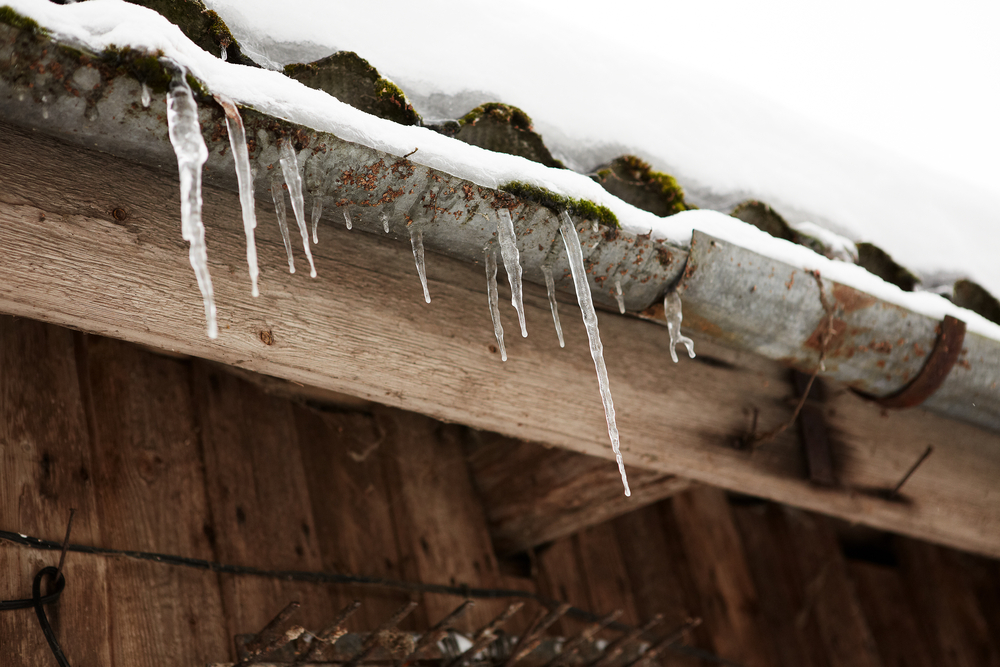
How to Prevent Ice Dams with Proper Gutter Maintenance
November 29, 2025 4:11 pmWinter can be beautiful, but for homeowners, it often brings a set of frustrating challenges. One of the most damaging and costly issues that can arise during the colder months is the formation of ice dams. These icy barriers typically form along the edges of a roof and prevent melting snow from properly draining off. As water backs up behind the dam, it can seep under shingles and leak into the home, causing damage to walls, ceilings, insulation, and more. Fortunately, proper gutter maintenance plays a crucial role in stopping this problem before it starts. This blog will explore how you can prevent ice dams by understanding their causes, improving gutter function, enhancing insulation support, and preparing your cold climate roofing system for winter.
The Root Cause of Ice Dams
To effectively prevent ice dams, you must first understand how and why they form. Ice dams typically occur when heat from your home escapes through the roof, warming the upper sections of it while leaving the lower edges cold. Snow on the warm roof melts and flows down to the colder eaves, where it refreezes. Over time, this creates a wall of ice that blocks further water from draining, which can then force melted snow to back up under the shingles and leak into the attic or interior walls.
Gutters exacerbate the issue when they are clogged, improperly installed, or poorly maintained. Water trapped in the gutters during freezing temperatures will also freeze, leading to a backup that contributes to ice dam formation. It’s not just about the roof; the gutters must be fully functional and clear for water to flow freely away from your home.
Preventing ice dams starts with minimizing the amount of heat that escapes from your attic, while also ensuring that your gutters can carry away any water resulting from snowmelt. This combination significantly reduces the chances of ice dam formation and protects your home from winter-related damage.
Regular Gutter Cleaning as a Preventative Measure
Gutter maintenance should be a year-round task, but it becomes especially important in the fall, before winter sets in. Leaves, pine needles, and other debris can accumulate quickly, clogging downspouts and gutters and making it impossible for melting snow and ice to properly drain. This stagnant water then freezes, expanding and creating blockages that worsen ice damming conditions.
Cleaning your gutters in late autumn ensures that water has a clear path to the ground. If water can’t drain because of debris, it pools along the roofline, increasing the risk of freezing. Also, check for any signs of sagging or misaligned gutters. These issues can create low spots where water collects and freezes. Ensuring that your gutters are correctly pitched to allow consistent drainage is key.
Installing gutter guards can be an effective solution to reduce the frequency of cleaning. While not a replacement for regular inspection, they can significantly reduce the amount of debris that collects in your gutters, particularly if your home is surrounded by trees.
Gutter Insulation Support and Heat Cables
Another proactive step to prevent ice dams is to improve your gutter insulation support systems. Many homeowners overlook the role of insulation and heat management in the eaves and roof edges. A properly insulated attic limits the amount of heat escaping through the roof, which in turn keeps the roof surface cold and consistent, reducing snowmelt that contributes to ice dam formation.
In particularly cold climates, you may consider installing heat cables along the eaves and inside the gutters. These cables generate a low level of heat that prevents ice from forming in critical drainage areas. When paired with good insulation, they create a powerful one-two punch against ice dams. Keep in mind, though, that heat cables should be used as a complement to good insulation practices, not a replacement.
Your goal should be to create a cold roof, one where the temperature of the shingles stays as close to the outdoor air temperature as possible. This means that snow will melt naturally when temperatures rise, rather than prematurely due to heat escaping from the attic. Better insulation support, combined with controlled heating in vulnerable areas, plays a vital role in maintaining this balance.
The Role of Cold Climate Roofing Design
A properly designed cold climate roofing system takes into account both the potential for heavy snow loads and the risk of ice dam formation. These roofs are typically built with materials and structural considerations that help manage snow and ice in a safe and efficient way. For example, steeply pitched roofs are better at shedding snow, while certain shingle types can resist the wear and tear caused by freezing and thawing cycles.
Ventilation is another critical aspect of cold climate roofing. Ridge vents, soffit vents, and attic fans help circulate cold air through the attic, preventing the warm spots that lead to uneven snow melt. A well-ventilated attic works hand in hand with insulation to keep the roof temperature consistent across its surface.
Additionally, roofing underlayment materials can offer an extra layer of protection. Ice and water shields, installed beneath the shingles along the edges of the roof, serve as a final defense against moisture infiltration in the event of an ice dam. These materials are self-sealing and help prevent leaks even if water makes its way under the outer roofing layer.
Choosing materials and designs specifically meant for colder environments will help your home handle winter conditions more effectively and reduce the likelihood of damage from ice dams.
Preparing Your Roof and Gutters Before Winter Arrives
Preventive maintenance always beats emergency repairs, especially when it comes to ice dams. Before the first snow falls, take time to assess the condition of your roof and gutters. Start with a visual inspection of the roof from the ground. Look for damaged or missing shingles, signs of sagging, or areas where water stains might indicate previous leaks. If you suspect any damage, schedule a professional inspection before winter sets in.
Next, check your attic for proper insulation and ventilation. You should not see exposed roof decking with uneven frost patterns, which may indicate heat is leaking from the home. Insulation should be evenly distributed and deep enough to prevent heat loss, especially around the eaves and edges of the roof.
Clean your gutters thoroughly and test the downspouts to ensure water can flow freely. If your gutters are prone to ice buildup, consider installing heat cables or heated gutter systems. These systems, combined with gutter insulation support, can make a significant difference in how your home handles the freeze-thaw cycle.
Finally, plan for regular monitoring during the winter months. After heavy snowfall, check the edges of your roof for signs of ice buildup. Use a roof rake to remove excess snow from the eaves, but always do so safely from the ground. Avoid climbing on icy roofs or using sharp tools that could damage your shingles or gutters.
Conclusion
Preventing ice dams is a multi-faceted process that hinges on proactive planning and consistent maintenance. Your gutters are more than just a drainage system; they’re an integral part of your home’s winter defense. By ensuring they’re clean, well-insulated, and supported with proper heat management tools, you can significantly reduce the risk of ice dams.
Incorporating cold climate roofing principles, such as good attic insulation, effective ventilation, and protective underlayments, adds another layer of protection. The combination of these efforts means that your home will be better prepared to handle whatever winter throws its way.
Don’t wait until the damage is done. The best way to prevent ice dams is by staying ahead of the weather with smart design choices, proper gutter insulation support, and reliable cold climate roofing systems. With thoughtful care and attention to your roof and gutters, you’ll enjoy peace of mind all winter long.
Contact Seamless Gutterworks Co. Today
Finding reliable gutter contractors in Des Moines, IA, can be challenging. Luckily, Seamless Gutterworks Co. has been serving communities in and around Iowa Falls, Hardin County, Ackley, Ames, Des Moines, and Alden, IA for more than two decades. We are proud to offer some of the most comprehensive gutter services in the region, including installations, cleaning, and repairs. Be sure to take advantage of our free consultations on seamless gutters and let our experienced team provide you with a system that will protect your home for years to come. Contact us today to schedule your consultation and experience the difference of working with trusted local experts.
Categorised in: Gutters
This post was written by admin
Comments are closed here.