
Top Causes of Gutter Blockages and How to Prevent Them in Iowa
September 5, 2025 7:43 pm Leave your thoughtsMaintaining a home in Iowa requires close attention to the often-overlooked parts of your property—gutters. Gutters play a vital role in directing rainwater away from your roof and foundation, helping protect your home from water damage, soil erosion, and costly repairs. Unfortunately, gutter blockages are a common issue for homeowners across the state. Between the heavy rainfalls of spring, the falling leaves in autumn, and the occasional snow melt, gutters in Iowa are under constant stress. When left unchecked, these blockages can lead to severe damage both inside and outside your home. The good news is that understanding the top causes of clogs and learning practical gutter protection tips, IA homeowners can prevent major issues before they arise. This article explores the most common causes of gutter blockages and strategies for effective debris build-up prevention so your home stays secure year-round.
Leaves and Organic Debris Accumulation
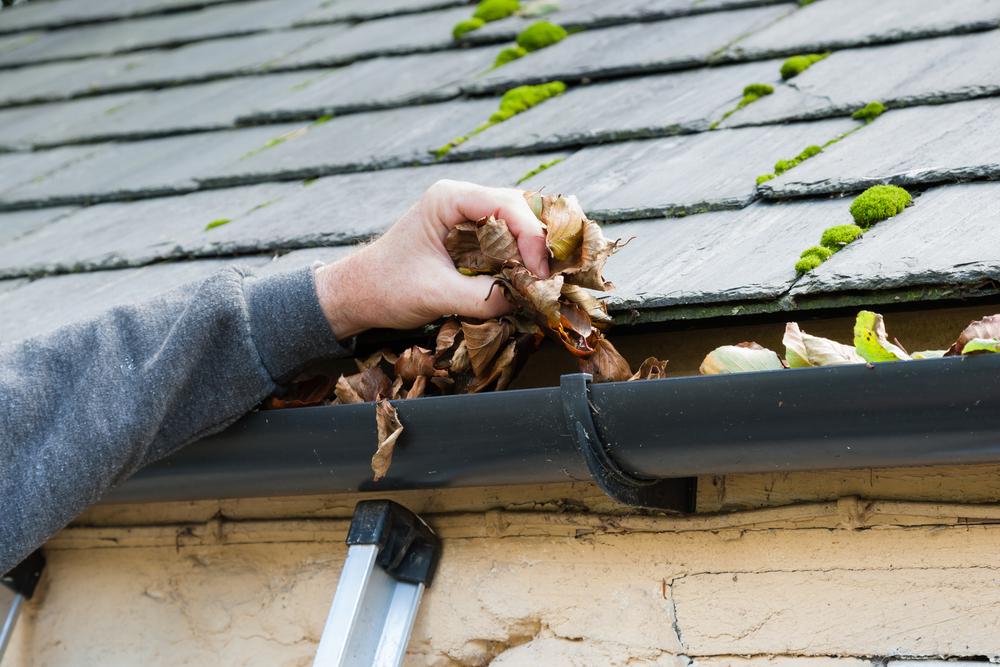
One of the most common causes of gutter blockages in Iowa is leaves. The state has abundant deciduous trees, especially in residential neighborhoods, and when autumn arrives, these trees shed thousands of leaves that inevitably find their way into gutters. Once in the gutter system, leaves begin to pile up and create dense mats that prevent rainwater from flowing through the downspouts. Beyond leaves, twigs, pine needles, and even flower petals contribute to organic buildup. Over time, these natural materials begin to decompose, creating a thick, mud-like substance that sticks to the sides of gutters and becomes increasingly difficult to clean.
This problem is particularly noticeable in Iowa’s fall season, when both rural and urban areas experience heavy leaf fall. Homeowners often underestimate how quickly a gutter can become clogged during this period. Once blockages begin, even small rain showers can cause water to spill over the sides, saturating soil near the foundation and creating conditions for erosion and basement leaks. Effective debris build-up prevention starts with regular gutter cleaning during peak seasons. Homeowners should schedule at least two cleanings annually—one in the late spring after pollen and seed drops, and another in late autumn after the majority of leaves have fallen. By staying proactive, you can dramatically reduce the likelihood of major clogs forming in your gutter system.
Impact of Weather Patterns in Iowa
Iowa’s climate significantly contributes to the frequency and severity of gutter blockages. The state experiences all four seasons, each bringing unique challenges. Spring often delivers heavy rainfall, which can quickly overwhelm a clogged gutter system and cause overflow. Summer storms, often accompanied by high winds, deposit branches, leaves, and other debris onto rooftops and into gutters. Autumn is defined by falling leaves, while winter brings snow and ice, which can melt and refreeze, creating ice dams that block water flow.
These weather patterns make gutter maintenance in Iowa especially critical. For example, a sudden summer thunderstorm can wash debris from your roof into your gutters in minutes. Without proper maintenance, that debris may form an instant clog, leading to overflow. Winter presents another concern. When snow accumulates on your roof, it eventually melts and drains into your gutters. If the gutters are clogged, water has no place to go and will often refreeze, creating hazardous ice dams. Ice dams not only damage gutters themselves but can also force water back under shingles, leading to roof leaks.
To prevent such issues, homeowners must combine seasonal awareness with consistent upkeep. Installing gutter guards can serve as an additional line of defense by reducing the amount of debris that enters your system. Gutter protection tips, IA residents find particularly useful, often emphasize combining physical barriers with seasonal cleanings to accommodate the state’s unpredictable weather patterns.
Nesting Animals and Insects
While leaves and weather are the most obvious causes of gutter blockages, wildlife plays a surprisingly large role in creating clogs. Birds, squirrels, raccoons, and even insects are known to use gutters as convenient nesting spaces. A gutter filled with dry leaves or twigs is an inviting site for small animals to build their homes. Once they settle in, nests can block water flow entirely. In addition to nests, animals can leave behind droppings, fur, and food remnants that further contribute to clogs.
Insects such as mosquitoes are also drawn to clogged gutters. Standing water inside blocked gutters provides an ideal breeding ground, turning your home into a hotspot for pests. In rural parts of Iowa, gutters may even attract wasps or hornets that build nests near or inside downspouts. This creates not only a blockage issue but also a safety hazard for homeowners attempting to clean their gutters.
Preventing these issues requires a combination of vigilance and deterrents. Homeowners can inspect their gutters regularly for signs of nesting, particularly in spring when wildlife activity peaks. Installing gutter guards is another effective measure, as it limits the space available for animals to enter. Some IA homeowners also use repellents or environmentally safe deterrents to discourage wildlife from approaching their gutters. By recognizing the role animals and insects play in gutter blockages, homeowners can take preventive action before nests lead to costly repairs.
Roofing Material and Shingle Granules
Another lesser-known contributor to gutter blockages in Iowa is roofing material itself. Asphalt shingles, the most common roofing material in the state, naturally shed granules over time. These granules, though small, accumulate in gutters and can form dense sludge that impedes water flow. This problem often becomes more pronounced after hailstorms or heavy winds, both of which Iowa experiences regularly. Damaged shingles release more granules than usual, leading to accelerated gutter buildup.
Roofing debris is particularly problematic because it combines with organic matter already present in gutters. Together, these materials form a heavy, sticky mass that is difficult to clean and can even damage gutters due to the added weight. Over time, gutters filled with shingle granules can sag, separate from the house, or cause seams to split, leading to leaks.
Homeowners should be aware of this risk, especially after severe storms. Inspecting gutters for signs of granule buildup can help prevent blockages. If you notice excessive granules, it may also be a sign that your roof is aging and requires repair or replacement. Including regular roof inspections as part of your home maintenance plan ensures that both your roof and gutters remain in optimal condition. This holistic approach to maintenance aligns with broader gutter protection tips, IA homeowners can adopt to safeguard their property from storm-related damage.
Mold, Algae, and Water Stagnation
Finally, stagnant water resulting from gutter blockages can foster mold, algae, and other forms of organic growth. Iowa’s humid summers provide ideal conditions for these issues. When water cannot properly drain due to clogged gutters, it remains trapped, creating a perfect environment for mold spores and algae to thrive. Over time, these organisms spread from gutters to roofing materials and even siding, compromising the structural integrity of your home.
Mold and algae pose more than just cosmetic concerns. They can weaken materials, contribute to wood rot, and create slippery surfaces near your foundation where water pools. Additionally, mold spores can enter your home through roof leaks or siding damage, leading to potential health issues for residents. Addressing stagnant water is therefore not only about preserving the home but also about protecting the health of its occupants.
Debris build-up prevention is key to avoiding these problems. Ensuring that water flows freely through gutters and downspouts keeps moisture from lingering long enough to support mold growth. For homeowners seeking added protection, installing gutter guards reduces debris while also minimizing the amount of stagnant water that can accumulate. Regular maintenance paired with preventive tools ensures that gutters remain clean, functional, and free of harmful growths.
Conclusion
Gutter blockages are a persistent challenge for homeowners in Iowa, driven by a combination of leaves, weather patterns, wildlife, roofing material, and stagnant water. Each of these factors contributes to the risk of clogs that can lead to overflow, structural damage, and even health hazards. Fortunately, effective strategies exist to combat these issues. By prioritizing regular cleaning, seasonal inspections, and adopting proven gutter protection tips, IA homeowners can significantly reduce their risk of costly repairs. Debris build-up prevention is not simply about convenience—it is about preserving the long-term health of your property and ensuring that your home remains safe and secure in the face of Iowa’s diverse climate. Taking proactive steps today will keep your gutters clear, your home protected, and your investment secure for years to come.
Need Gutter Contractors Near You?
At Seamless Gutterworks Co., we take pride in serving the Ames community with dependable, personalized gutter services backed by over 30 years of experience. Whether you need installation, repairs, or maintenance, our knowledgeable team is here to guide you every step of the way—with top-quality materials, lifetime warranties, and a commitment to doing the job right the first time. Reach out to us today for a free consultation—we’re ready to protect your home from whatever the Iowa weather brings!
Categorised in: Gutters
This post was written by admin